01
DATA / PIPELINES
+Data & research workflows
Connect acquisition, cleaning, format conversion and batch processing into clear, repeatable research workflows.
Keep your focus on the science. We connect methods, code and validation to bring complex research ideas to life.
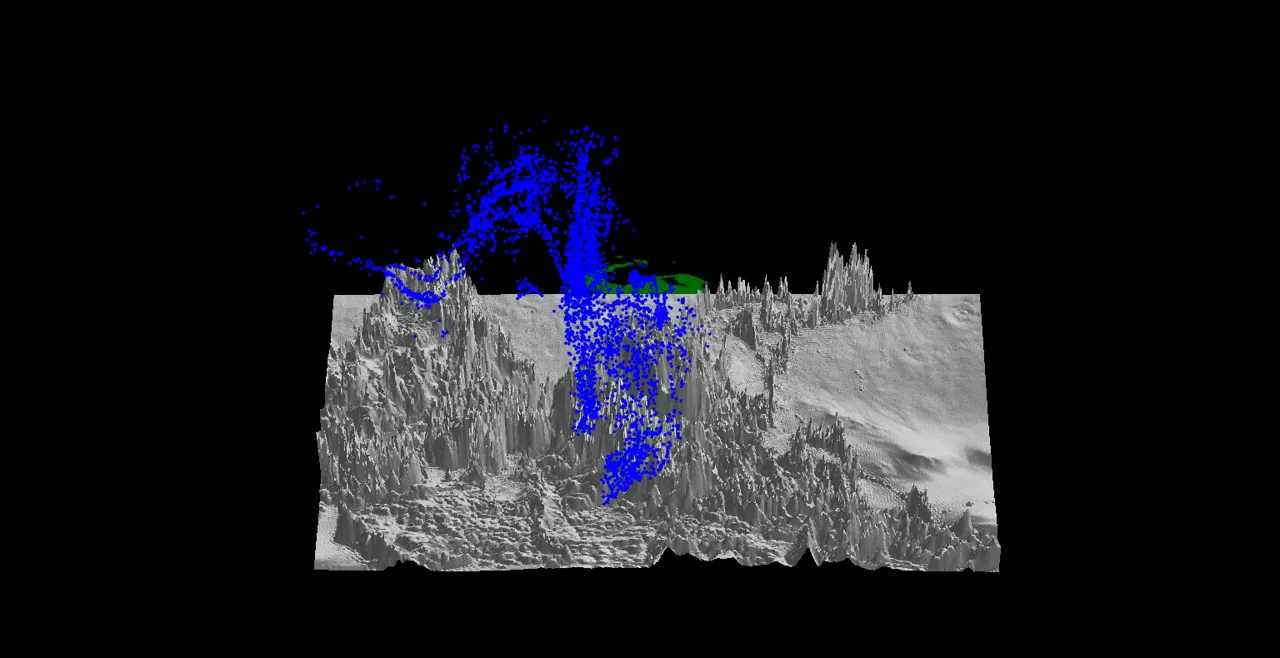
Explore our work↘Typhoon structure · An illustration
EVOLUTION 0%Illustrative flow: longer trails indicate faster motion.
Research should move beyond dependency conflicts, debugging and repetitive data tasks. Together, we define the question and acceptance criteria. We take on the engineering that turns an idea into a result you can examine.
Three scales. Three ways of seeing our world. Selected open-source and research work by our technical lead.
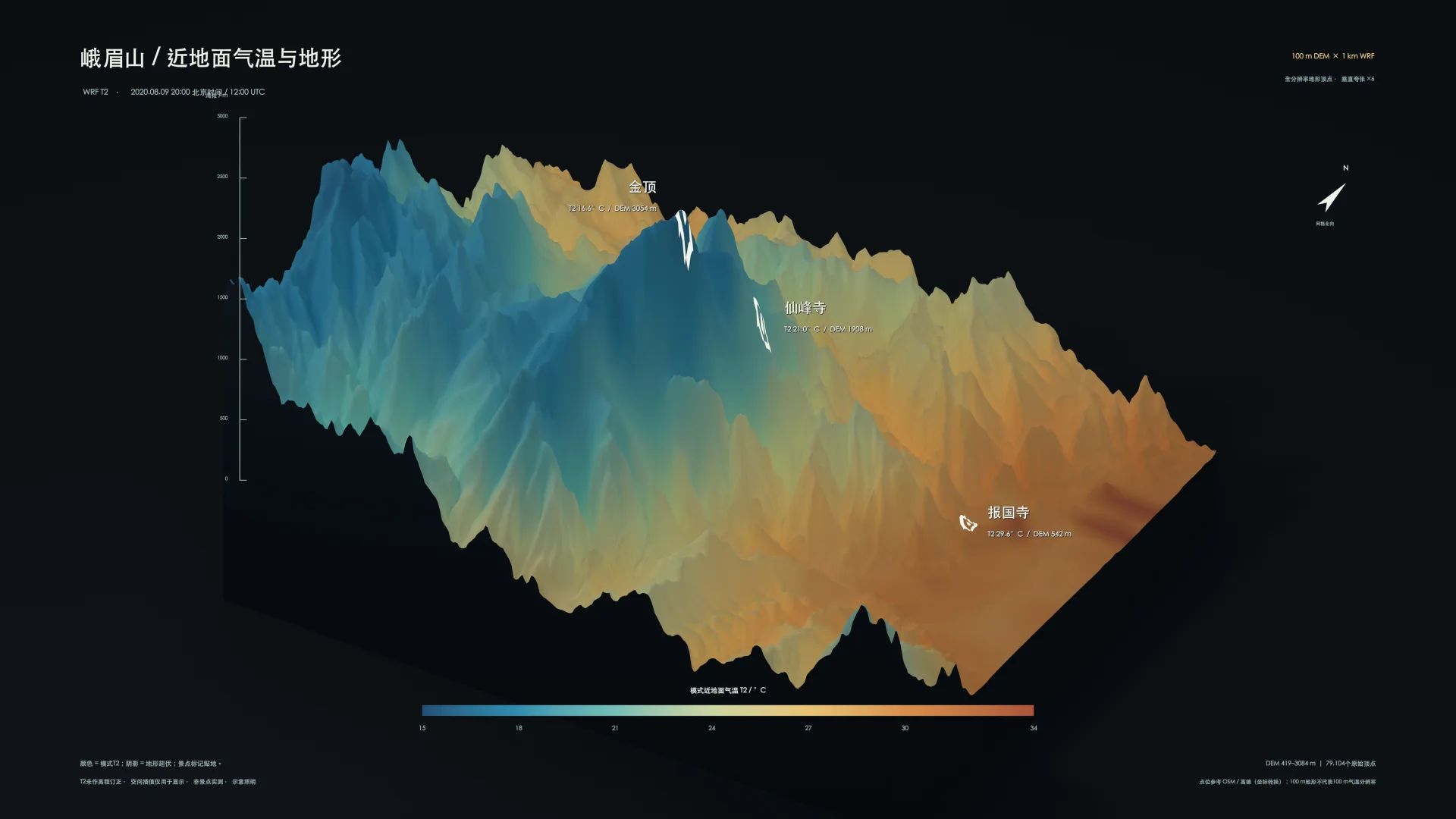

Connect acquisition, cleaning, format conversion and batch processing into clear, repeatable research workflows.
Evaluate methods around your research goals, reproduce algorithms, implement numerical models and integrate AI methods with agreed validation.
Transform fields, trajectories and terrain into explorable three-dimensional experiences for discovery, discussion and presentation.
Bring together dependencies, source code, running instructions and validation records so that your work can be continued.
We agree on the requirements, technical approach and acceptance criteria together. We carry the engineering through to delivery.
Discuss the scientific problem, available data, intended outcomes and constraints.
Assess feasibility and define methods, milestones and acceptance criteria.
Set up the environment, implement, debug, test and review progress together.
Receive source code, environment details, instructions and testing or validation results as agreed.
Technical lead Zhenning Li (lzhenn) works across atmospheric modeling, scientific computing, data workflows and three-dimensional visualization. Stratus Key brings that experience to AI4Science collaborations: understand the question, then choose the method.
Showcases are the technical lead’s representative research and open-source work. Project scope, capabilities and acceptance criteria are agreed through the technical planning process.
Start with your question, data and intended outcome. Turn your research idea into a clear starting point.